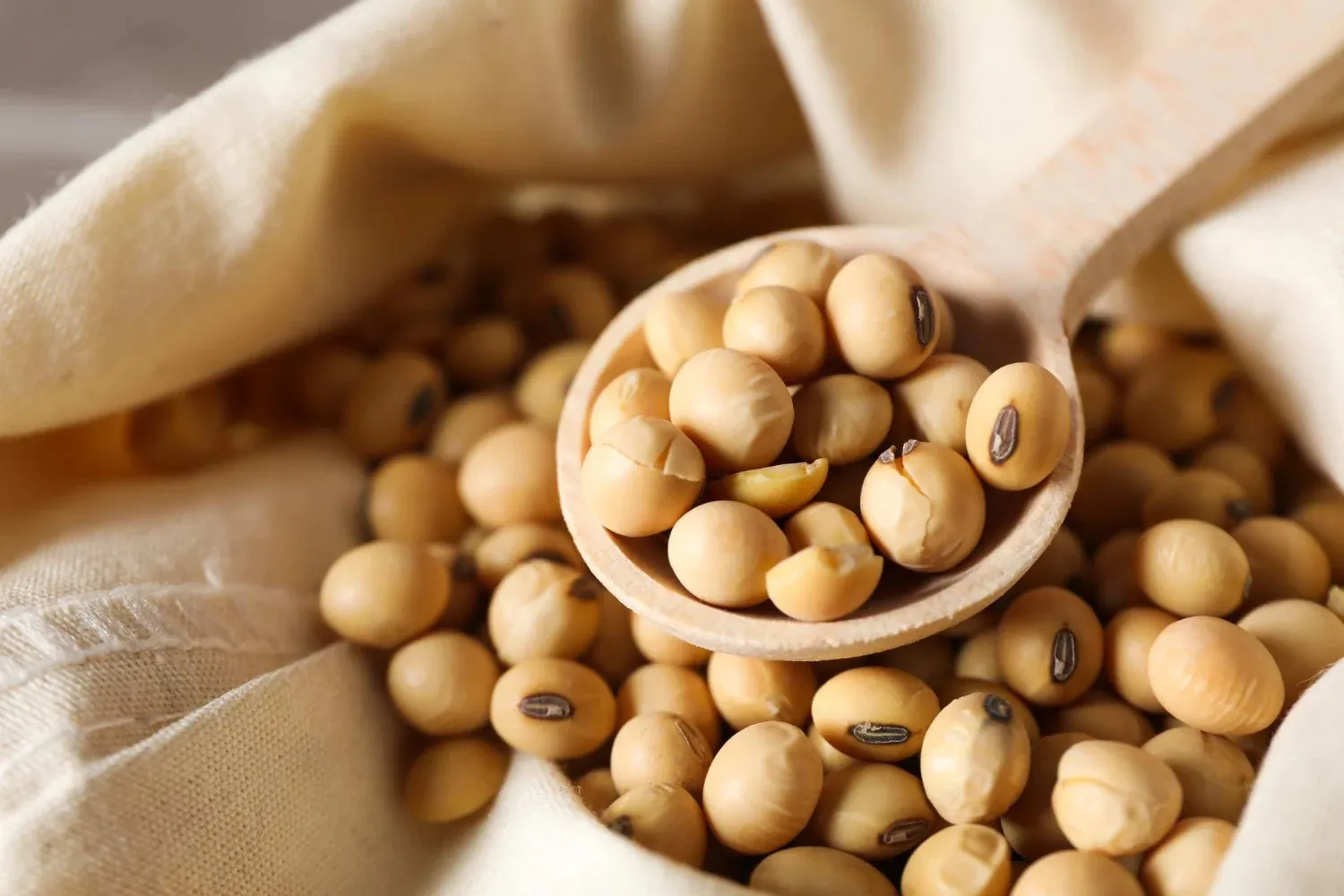
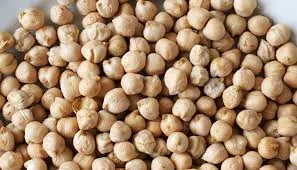
Pulses and legumes have become increasingly important in global agriculture and food security. Products such as chickpeas, moong beans, pigeon peas, lentils, and other legumes provide affordable nutrition, plant-based protein, and sustainable farming benefits. As consumer preferences evolve and global populations continue to grow, the outlook for international pulses trade remains highly promising.
The demand for pulses and legumes continues to rise across both developed and emerging economies. Consumers are becoming more aware of the nutritional benefits of plant-based foods, driving increased consumption of protein-rich legumes.
Food manufacturers, wholesalers, retailers, and health-conscious consumers are increasingly incorporating pulses into daily diets, creating strong opportunities for international suppliers and exporters.
One of the strongest drivers of future growth is the global shift toward plant-based nutrition. Pulses provide an excellent source of protein, fiber, vitamins, and minerals while remaining affordable and environmentally sustainable.
As demand for vegetarian and vegan food products expands, pulses are expected to play an even larger role in food manufacturing and ingredient sourcing.
Pulses contribute significantly to sustainable agriculture. Many legumes naturally improve soil fertility through nitrogen fixation, reducing the need for synthetic fertilizers and supporting environmentally responsible farming practices.
Governments, agricultural organizations, and food producers increasingly recognize these benefits, further supporting long-term demand growth.
Several pulse varieties continue to dominate international markets:
These products are widely traded across Asia, Europe, the Middle East, Africa, and North America, supporting both retail consumption and industrial food production.
Import-dependent regions continue to seek reliable suppliers capable of delivering consistent quality and competitive pricing. Exporters who maintain strong quality standards, efficient logistics, and dependable supply chains are well-positioned to benefit from growing international demand.
Emerging markets are also creating new opportunities for pulse exporters as food consumption patterns continue to evolve.
Advances in agricultural technology, storage systems, and logistics infrastructure are helping improve the efficiency of pulse production and international trade. Better quality control and traceability systems allow exporters to meet increasingly stringent buyer requirements.
These improvements are expected to strengthen global pulse supply chains in the coming years.
Industry analysts expect the global pulses market to experience continued growth due to population expansion, increased focus on healthy eating, and the growing demand for sustainable food sources.
Countries investing in pulse production, processing, and export infrastructure are likely to benefit from rising global consumption trends.
The future of pulses and legumes trade remains bright. Strong nutritional value, sustainability advantages, and growing global demand position pulses as one of the most important agricultural commodity sectors for the years ahead.
Global Agro Wholesale supplies premium-quality chickpeas, moong beans, pigeon peas, grains, spices, oilseeds, sweeteners, and agricultural commodities to wholesalers, importers, distributors, and food manufacturers worldwide.