Export Quality Standards for Spices
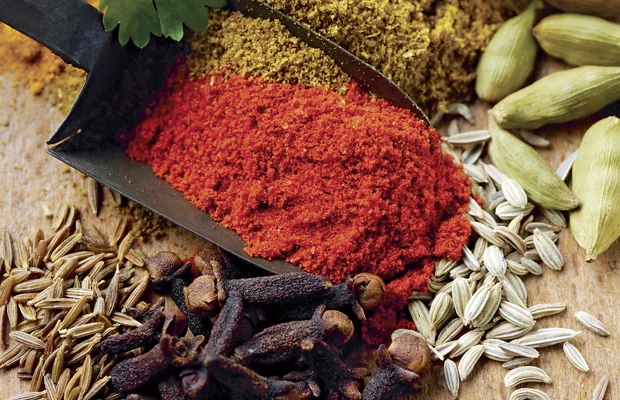
The global spice industry depends heavily on quality, consistency, and compliance with international food safety regulations. Importers, food manufacturers, distributors, and retailers require spices that meet strict export standards to ensure product safety and customer satisfaction.
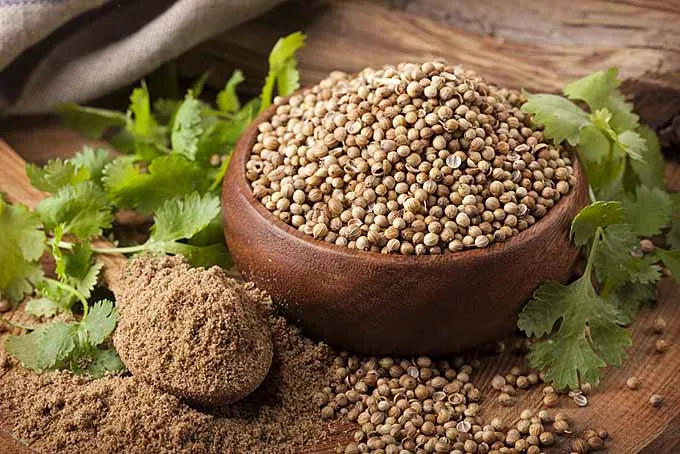
Whether trading turmeric, cumin, coriander, black pepper, chilli, cardamom, cloves, fennel, or other spices, exporters must follow recognized quality standards to successfully compete in international markets.
Why Spice Quality Matters
Spices are used extensively in food processing, seasoning blends, pharmaceuticals, nutraceuticals, and cosmetic products. Poor-quality spices can affect flavor, aroma, shelf life, and product safety.
Maintaining high quality standards helps exporters build trust with international buyers while ensuring compliance with import regulations in various countries.
Key Export Quality Requirements
Most international buyers evaluate spices based on several important criteria:
- Purity and cleanliness
- Moisture content levels
- Color and appearance
- Aroma and flavor strength
- Foreign matter limitations
- Microbiological safety standards
- Pesticide residue compliance
- Packaging quality
Meeting these requirements helps ensure products are accepted in competitive international markets.
Food Safety Compliance
Food safety is one of the most critical aspects of spice exports. Buyers often require suppliers to comply with international standards such as HACCP, GMP, ISO certifications, and other food safety management systems.
Proper handling, cleaning, processing, and storage practices help minimize contamination risks and maintain product integrity throughout the supply chain.
Importance of Proper Packaging
Export packaging plays a major role in preserving spice quality during transportation and storage. Durable packaging protects products from moisture, pests, contamination, and physical damage.
Well-designed packaging also improves traceability and supports compliance with import documentation requirements.
Quality Testing and Inspection
Professional exporters regularly conduct laboratory testing and quality inspections before shipment. These tests verify moisture levels, purity, microbial safety, and compliance with buyer specifications.
Third-party inspections may also be requested by international buyers to ensure products meet agreed export standards.
Growing Demand for Premium Spices
Consumer demand for premium, organic, and sustainably sourced spices continues to increase worldwide. Food manufacturers and retailers are placing greater emphasis on traceability, quality assurance, and ethical sourcing practices.
Exporters who consistently supply high-quality spices are well-positioned to benefit from these evolving market trends.
Key Quality Parameters to Ask About
Spice quality is generally described through a combination of measurable factors rather than a single grade. Depending on the spice, buyers commonly ask suppliers to confirm moisture content (which affects shelf life and mold risk), purity (the percentage of the product that is the spice itself, versus stems, foreign matter, or other admixture), volatile oil content (relevant for spices like cardamom, cloves and pepper, where oil content relates directly to flavor strength), and particle size or grading (for whole versus ground/powdered forms). Ash content and extraneous matter limits are also commonly referenced specifications for buyers with formal food-safety programs. Asking for these figures in writing for a specific shipment, rather than relying on general descriptions like "export quality," gives you something concrete to check the goods against on arrival.
Whole vs. Ground Spices
Whether to buy a spice whole or pre-ground is a meaningful sourcing decision. Whole spices generally retain flavor and aroma longer during storage and shipping, since grinding exposes more surface area to oxidation. Buyers who plan to process, blend, or package the spice themselves often prefer whole form for this reason, while buyers who need a ready-to-use ingredient may prioritize ground spice despite the shorter optimal shelf life. If shelf life during a long shipping route is a concern, it's worth discussing whole-form options with your supplier even if your end product requires ground spice.
Packaging Options for Spice Exports
Common export packaging for bulk spices includes multi-layer paper or woven polypropylene bags (typically 25kg or 50kg) with an inner food-grade liner to protect against moisture, and vacuum-sealed or nitrogen-flushed packaging for spices where oxidation is a bigger concern, such as ground chilli or paprika. Buyers with specific retail or industrial packaging requirements should confirm available formats and minimum quantities per format with their supplier before finalizing an order, since not every packaging option may be available at every order size.
Steps to Sourcing Spices Wholesale
A typical process looks like: confirm the spice, form (whole or ground), and grade/specification you need; request a sample or detailed spec sheet; agree on packaging and any inspection arrangements; confirm Incoterms and destination port; and finalize documentation once the order is confirmed. For a first order with a new supplier, requesting a small sample batch before committing to full container volumes is a reasonable and common practice.
Frequently Asked Questions
How is spice quality typically verified before shipment?
Reputable exporters typically inspect and, where relevant, lab-test shipments for moisture, purity and microbial safety before loading. Buyers can also request third-party inspection for added assurance, particularly for a first order.
What's the shelf life of bulk spices during shipping?
This varies by spice and packaging, but proper moisture control and packaging can allow whole spices in particular to remain stable well beyond a typical multi-week international shipment. Ask your supplier about the specific spice and packaging you're considering.
Can spice shipments be customized with private labeling?
Many suppliers can accommodate private label packaging for larger orders. Confirm minimum order quantities and lead time for custom packaging, since it typically takes longer to arrange than standard export packaging.
Common Adulteration Concerns and How to Guard Against Them
Spices are, unfortunately, one of the more commonly adulterated commodity categories worldwide, whether through added filler material, undisclosed color additives, or blending lower-grade material into a higher-grade lot. Buyers can reduce this risk by working with suppliers who provide a Certificate of Analysis for each shipment, requesting an independent lab test on a first order or on any order where the price seems unusually low relative to the market, and asking for traceability back to the region or farm group the spice was sourced from. None of these steps guarantee a problem-free shipment on their own, but combined they make it considerably harder for adulterated material to reach a buyer without being caught.
Certificates of Analysis and Export Documentation
A typical spice export shipment is accompanied by a Certificate of Analysis covering moisture, purity and microbial parameters, a phytosanitary certificate issued by the relevant agricultural authority, a certificate of origin, and a commercial invoice and packing list matching the shipped quantities. Buyers importing into markets with additional requirements — such as specific pesticide residue limits or irradiation declarations — should confirm with their supplier in advance which certificates can be provided, since not every certificate is issued automatically and some may need to be requested before the shipment is packed.
Storage Conditions During Transit and Warehousing
Spices are sensitive to heat, humidity and light, all of which accelerate loss of aroma and flavor. Where possible, shipments should be stored and transported in cool, dry conditions away from direct sunlight, and containers should be checked for adequate ventilation to avoid condensation buildup during ocean transit, particularly on routes crossing significant temperature zones. On arrival, buyers should unload and inspect promptly rather than leaving palletized spice bags sealed in a hot container or yard for an extended period, since heat buildup inside a closed container can be significantly higher than the surrounding ambient temperature.
Seasonal Availability and Harvest Timing
Most spices are seasonal crops, and pricing, quality and availability can shift meaningfully around harvest periods. Buyers planning recurring orders benefit from understanding the general harvest calendar for the specific spices they source, since ordering shortly after harvest often means fresher stock and more stable pricing, while ordering well into the off-season may mean working from stored inventory with correspondingly higher prices. Discussing expected harvest windows with your supplier as part of annual planning can help avoid last-minute sourcing gaps.
Comparing Suppliers Beyond Price
Price is an obvious comparison point when evaluating spice suppliers, but it should not be the only one. Buyers are generally better served by also comparing consistency of quality across multiple shipments, responsiveness to documentation requests, willingness to provide samples and lab results, and clarity around packaging and lead times. A supplier offering a slightly higher price but with a demonstrated track record of consistent Certificates of Analysis and on-time shipment is often the lower-risk and, over several orders, lower-cost choice once delays and quality disputes are factored in.
Regulatory Differences Across Import Markets
Food safety and labeling requirements for spice imports vary by destination market, and buyers should not assume a shipment that clears one country's customs will automatically satisfy another's requirements. Differences can include maximum permitted pesticide residue levels, rules on irradiation as a decontamination method, labeling language and allergen-declaration requirements, and whether specific additional certificates (such as a halal or organic certification) are required for that market. Buyers importing into a new market for the first time are well served by checking current requirements with their own customs broker or import authority rather than relying solely on the exporter's documentation, since regulations do change and the importer, not the exporter, is generally responsible for compliance on arrival.
Conclusion
Export quality standards are essential for success in the international spice trade. By maintaining strict quality control, food safety compliance, and proper packaging procedures, suppliers can build strong relationships with buyers and expand their global market presence.
Global Agro Wholesale supplies export-quality spices including turmeric, coriander, cumin, black pepper, white pepper, chilli, cardamom, cloves, fennel seeds, bay leaves, and other premium agricultural commodities to buyers worldwide.